Optical Shaft Measuring System: High-Precision Crankshaft Measurement Solution
1. Core Challenges in Crankshaft Measurement
As a core rotating component in power equipment, the crankshaft features multiple eccentrics, multiple connecting rod journals, long shaft length, low rigidity, and complex geometry, leading to significant measurement difficulties. Key parameters such as eccentricity, angular phase, coaxiality between main journals and connecting rod journals, and runout are difficult to measure accurately and simultaneously. Long shafts are prone to bending deformation, and the eccentric structure of connecting rod journals requires repeated clamping on conventional equipment, resulting in low efficiency, unstable accuracy, and errors from manual alignment, which cannot meet precision inspection requirements.
2. Solution: Optical Shaft Measuring System
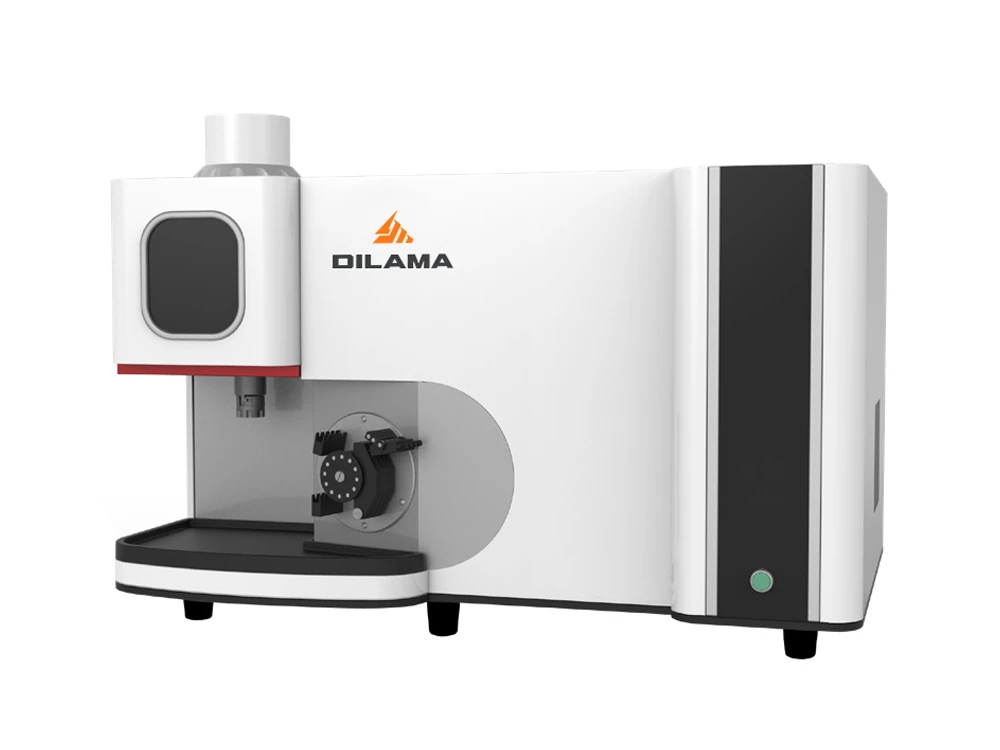
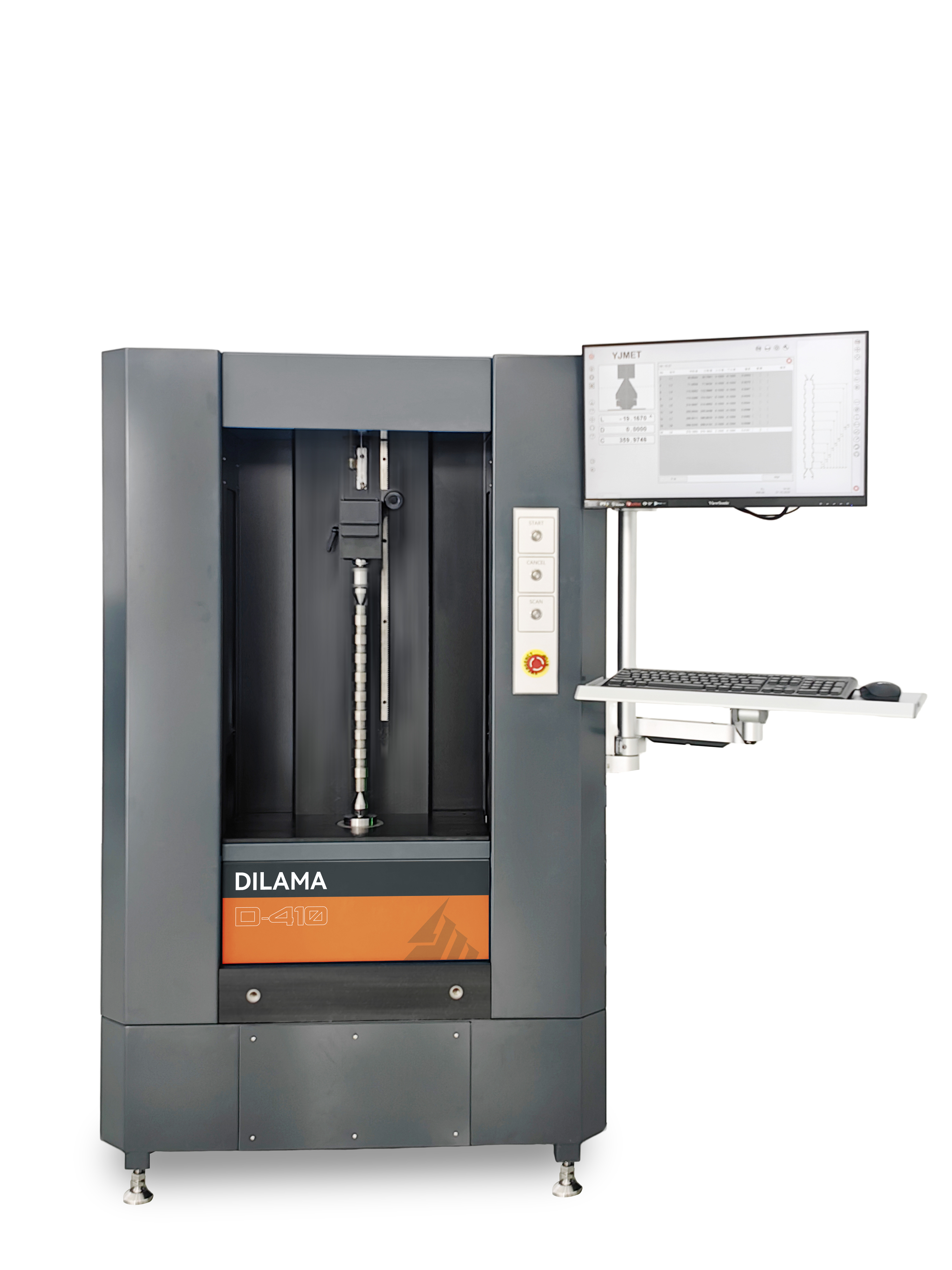
To address these challenges, the optical shaft measuring system uses non-contact optical scanning as its core technology to achieve precise and efficient measurement, overcoming the limitations of traditional equipment.
A. Full-parameter measurement with single clamping
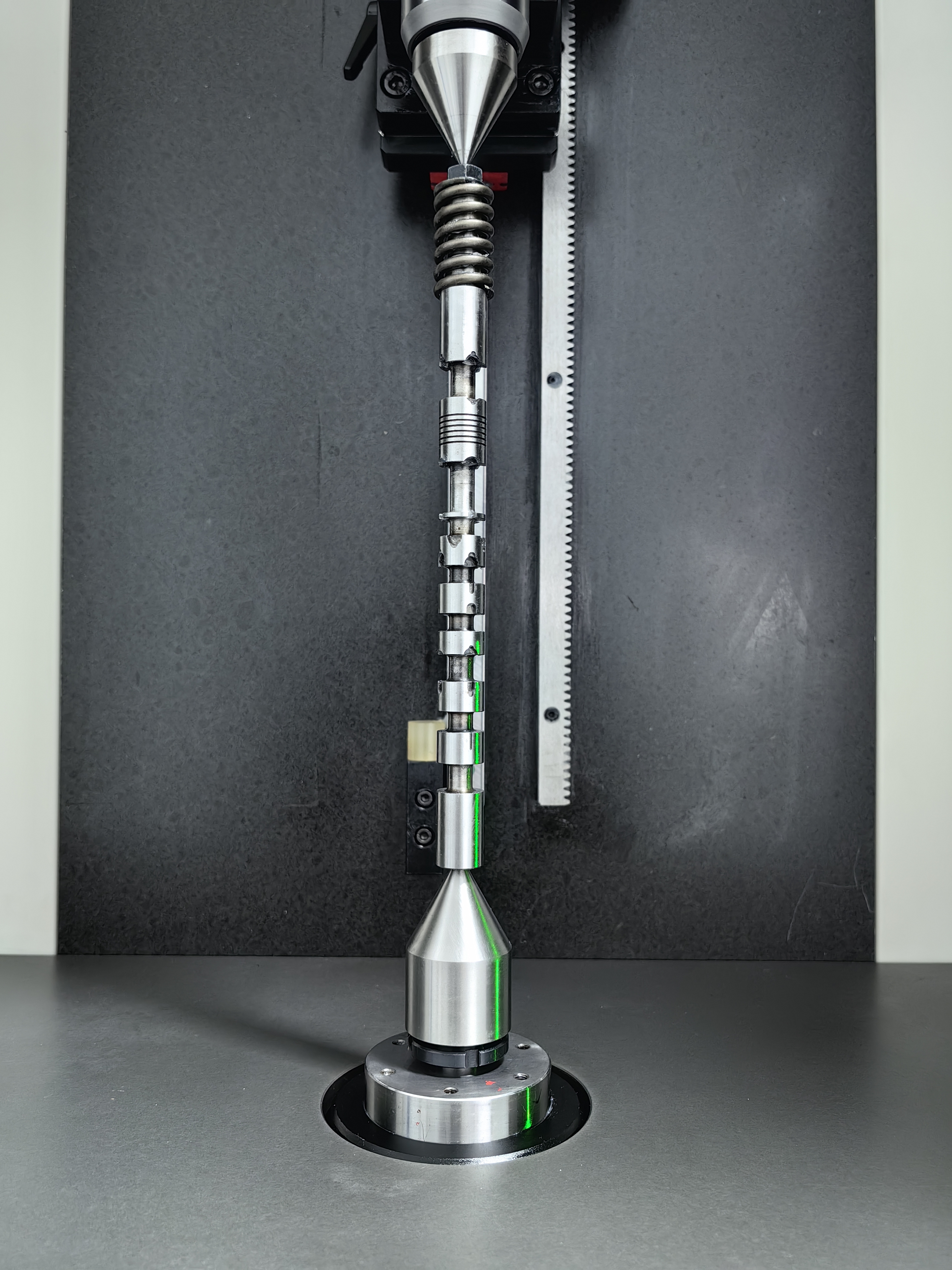
Equipped with special fixtures adapted to crankshaft structures, it automatically completes full-parameter inspection of main journal and connecting rod journal diameters, eccentricity, phase angle, and more in one clamping. No repeated manual alignment or multiple measurements are required, greatly improving inspection efficiency.
B. High-precision and stable output
Using optical imaging and intelligent algorithms, it effectively eliminates measurement errors caused by long-shaft bending and eccentric structures. It accurately outputs coaxiality, runout, straightness, parallelism and other indicators, with far higher accuracy and stability than traditional tools such as calipers and dial indicators.
C. Non-contact, zero-damage measurement
Pure optical scanning applies no contact force, preventing scratches and indentations on precision crankshaft surfaces, making it suitable for crankshafts of various materials.
D. Intelligent and convenient integration
It automatically processes and analyzes measurement data, quickly generates inspection reports, supports production line integration, meets requirements for batch inspection and quality traceability, and is suitable for crankshaft measurement in automotive, construction machinery and other industries.
3. Core Value of the Solution
With the advantages of high precision, high efficiency and zero damage, this solution replaces traditional inspection methods, reduces labor and equipment costs, avoids batch quality risks, helps enterprises achieve digital and efficient control of crankshaft precision measurement, and ensures stable product quality.