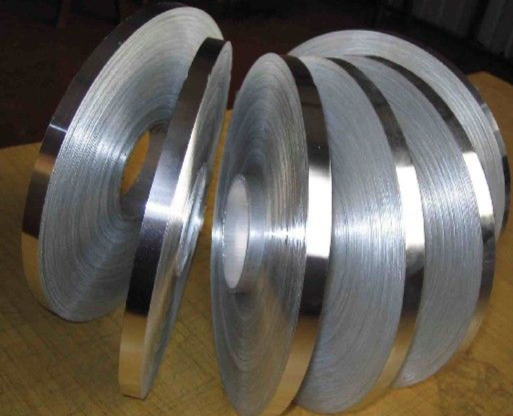
1100 wrought aluminum refers to semi-finished pure aluminum products (e.g., sheets, strips, foils) manufactured by plastic working with an aluminum content of not less than 99.00%. As an indispensable basic material in the industrial field, its ultra-high purity makes it a key carrier for performance requirements such as electrical and thermal conductivity, corrosion resistance and protection, deep forming, and surface treatment. Endowed with excellent comprehensive properties, 1100 aluminum is widely used in numerous core fields including food packaging, electrical components, architectural decoration, chemical containers, heat exchange and reflective equipment. Just like the "grain" and "cornerstone" of industry, it provides a reliable and versatile material support for modern manufacturing and daily life.
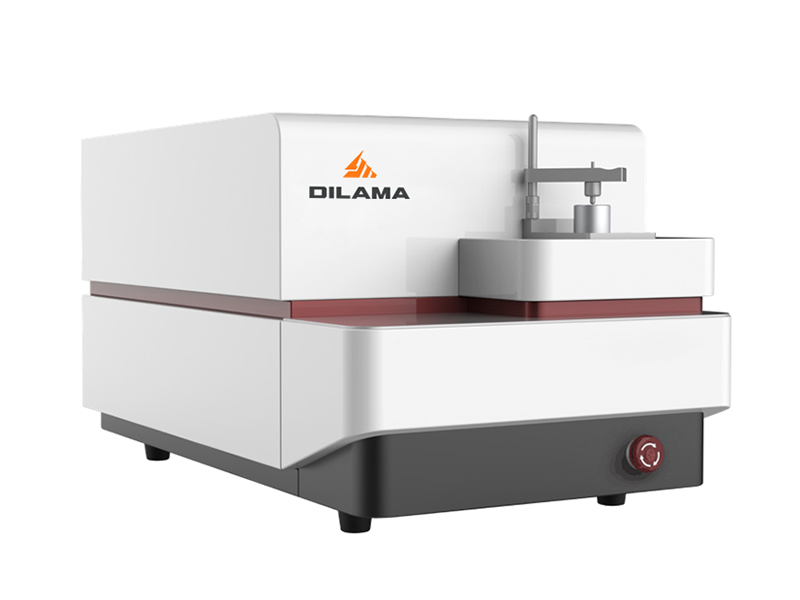
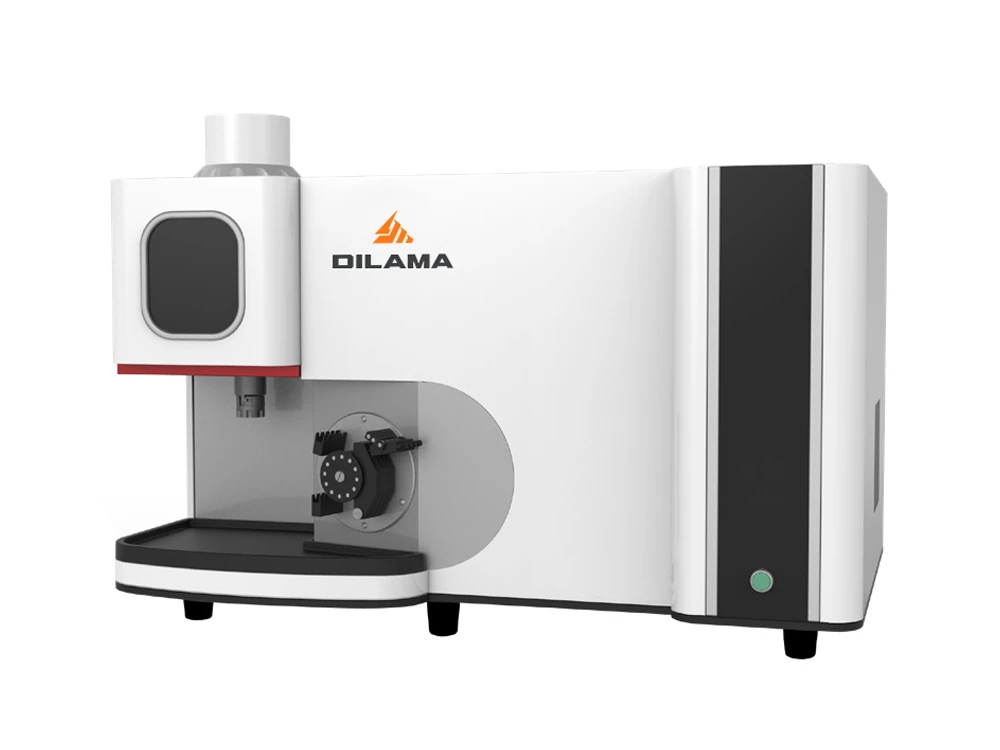
In this experiment, 1100 wrought aluminum was digested on a hot plate, and the multi-element contents in it were determined by the Plasma 3000 inductively coupled plasma optical emission spectrometer (ICP-OES). This method enables the simultaneous determination of multiple elements, featuring simplicity of operation, short analysis cycle, good stability, high sensitivity and excellent accuracy.
01#Reagents, Materials and Equipment
Sample Preparation and Pretreatment
Accurately weigh 0.2 g of the sample (precision to 0.0001 g) into a polytetrafluoroethylene (PTFE) beaker, add hydrochloric acid and nitric acid, and digest on a hot plate. After digestion, remove the beaker for cooling, transfer the solution, make up the volume to 50 mL, mix well, and set aside for determination. Matrix matching with pure aluminum is adopted for the preparation of the standard curve.
Instrument and Equipment Parameters
|
Instrument Operating Parameters |
Values |
Instrument Operating Parameters |
Values |
|
RF Power/W |
1050 |
Auxiliary Gas Flow Rate/L•min-1 |
0.5 |
|
Coolant Gas Flow Rate/L•min-1 |
13.5 |
Peristaltic Pump Speed/RPM |
20 |
|
Carrier Gas Flow Rate/L•min-1 |
0.80 |
Exposure Time/s |
8 |
02# Results and Discussion
Selection of Elements to Be Determined
In the determination, the principle of using sensitive lines for low-content elements and less sensitive lines for high-content elements was followed. The optimal analytical spectral lines for each element were selected by considering both matrix interference and background correction. Since matrix matching had been performed, the analytical spectral lines were determined only by taking spectral interference and background effects into account. Spectral lines with high sensitivity and no interference from coexistent elements were chosen as the analytical lines. To improve sensitivity, the background subtraction method was adopted for the determination of most low-content elements.
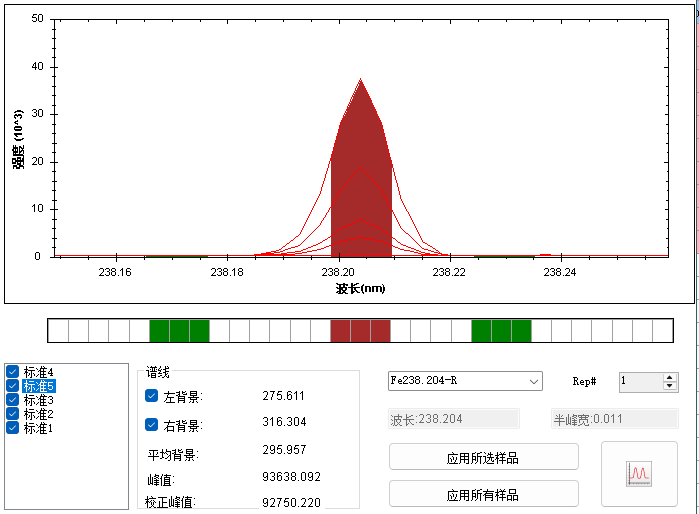
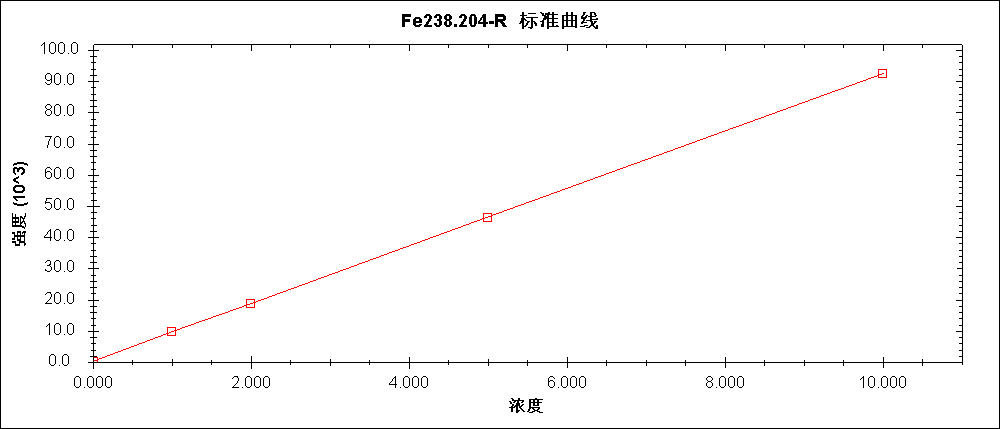
Fe Elemental Spectra and Working Curves
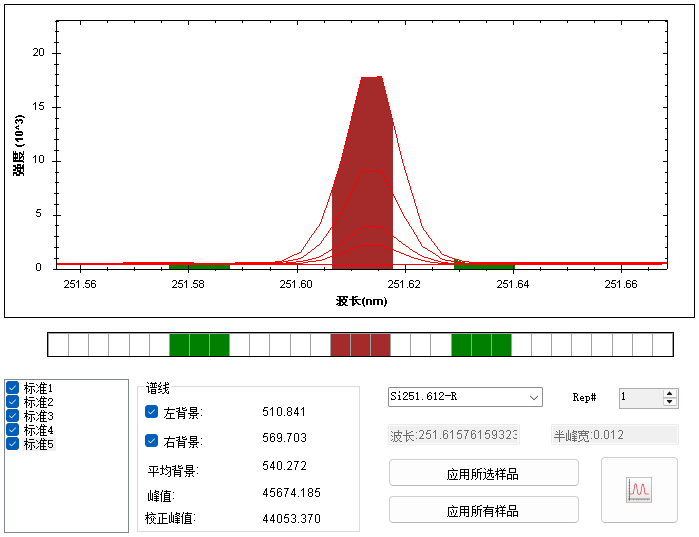
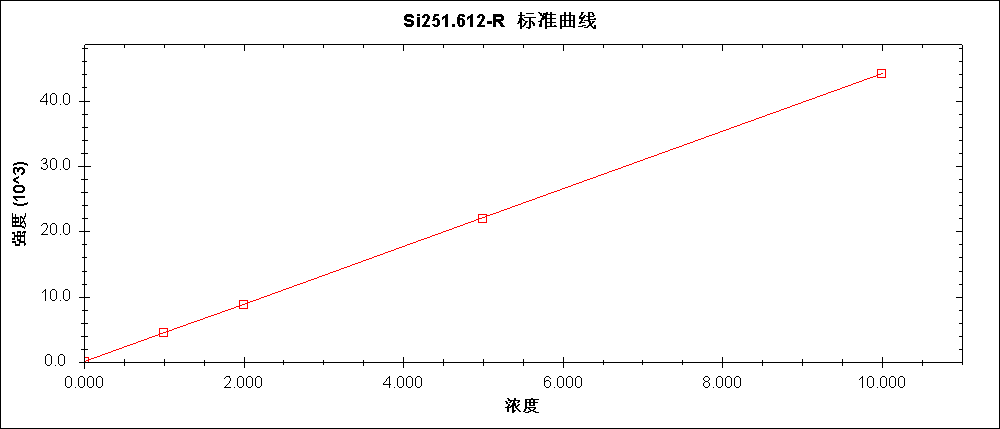
Si Elemental Spectra and Working Curves
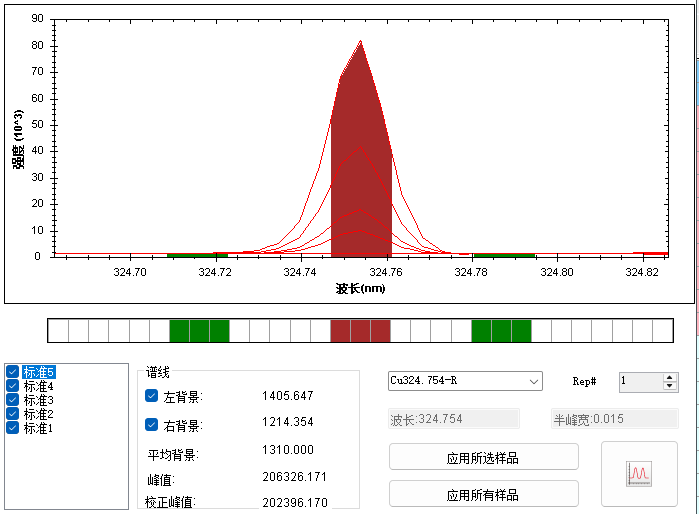
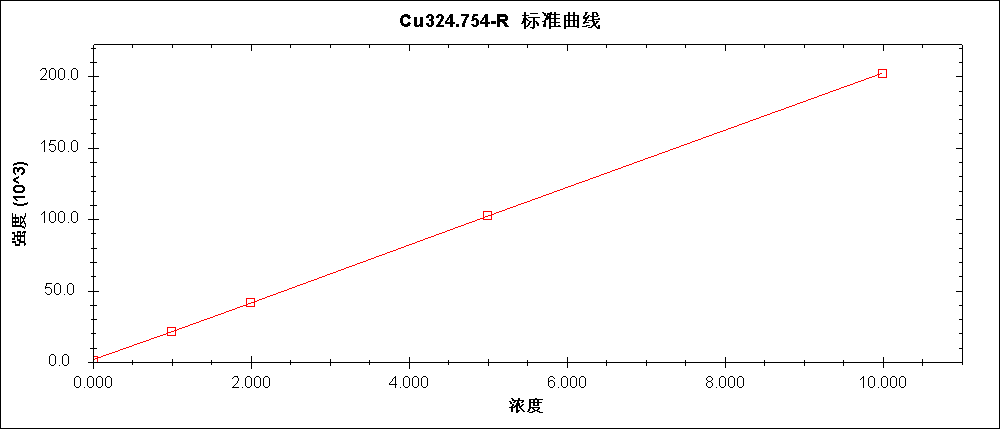
Cu Elemental Spectra and Working Curves
Table 2: Spectral Line Selection & Elemental Determination Conditions
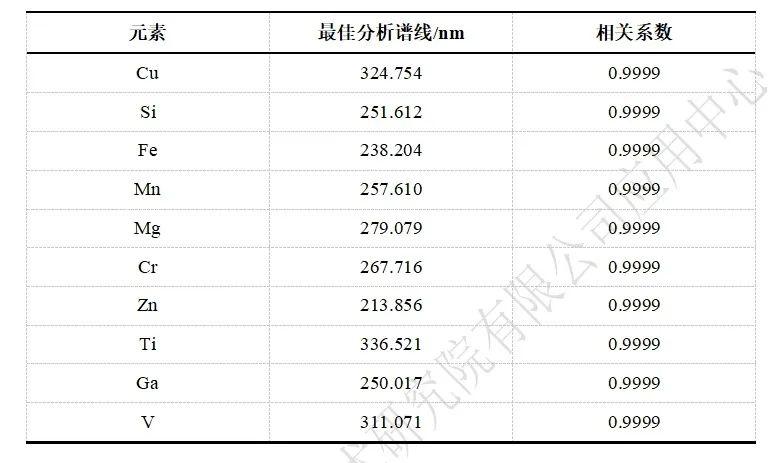
Based on the spectral spectra and linear relationships of the above elements, all meet the methodological requirements and satisfy the needs of the test.
Limit of Detection
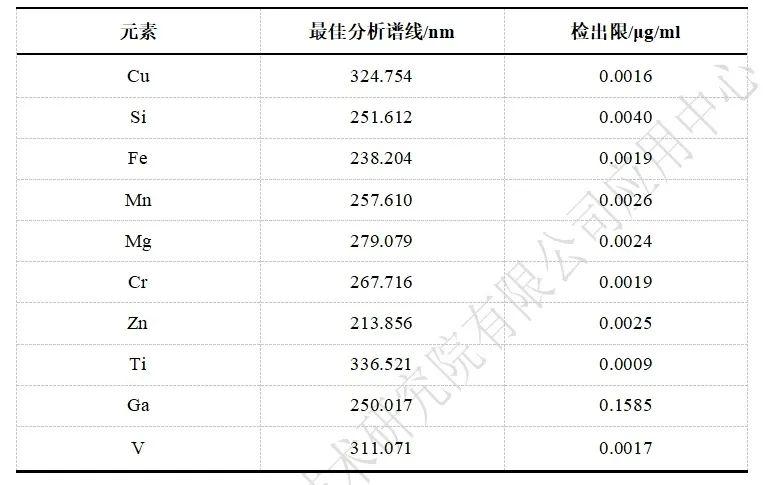
Under the optimal operating conditions of the instrument, the blank solution of the standard solution series was determined continuously for 11 times. The limit of detection for the elements to be measured in the method was calculated as 3 times the standard deviation, as shown in Table 3.
Table 3 Method Detection Limit Test Data
Accuracy
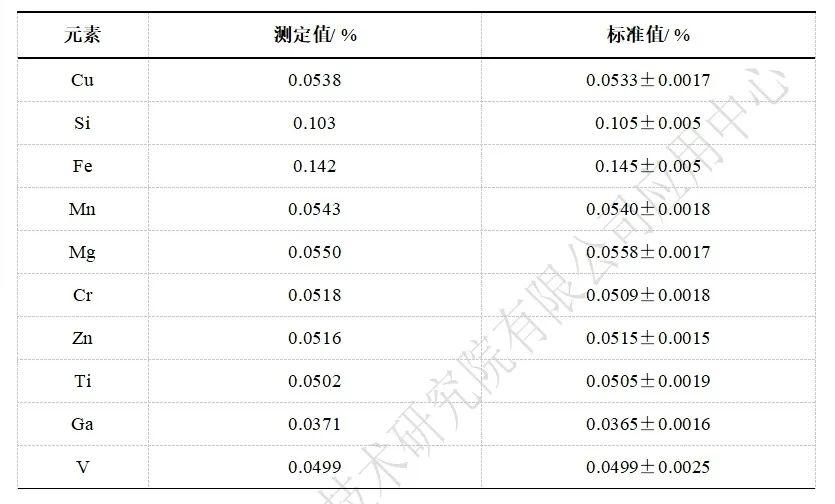
The multi-elements in the aluminum alloy certified reference material AL 124/04 were determined in seven parallel replicates. All the measured values of the sample fell within the uncertainty range of the certified reference material, indicating excellent accuracy. The detailed determination results are shown in Table 4.
Table 4 Method Detection Limit Test Data
In this study, a Plasma 3000 inductively coupled plasma optical emission spectrometer (ICP-OES) was used to analyze multiple elements in the aluminum alloy certified reference material AL 124/04. This method enables simultaneous determination of various elements, and features simple operation, short analysis time, good stability, high sensitivity and excellent accuracy, which can meet the requirements for elemental analysis of 1100 wrought aluminum.