|
Basique |
Standard |
Mise à niveau |
|
|
Méthode de montage |
Disque de Faraday du robot |
|
Imagerie |
2D (200 W pixels) |
2D (500 W pixels) |
2D (1600 pixels) + 3D |
|
Champ de vision |
260×200 mm |
420×330 mm |
880×500 mm |
|
Précision du positionnement |
0,5 mm |
||
|
Profondeur du champ |
5 mm |
||
|
Type de source lumineuse |
lumière infrarouge, lumière blanche, lumière bleue, lumière rouge |
||


Layout: System status monitoring on the left, visual identification display in the center, operation control panel on the right.
Interaction: drag-and-drop task programming, 3D visual preview, one-click start/pause.
Indicator light: Dark blue as the primary color, with high-contrast warning red and green.
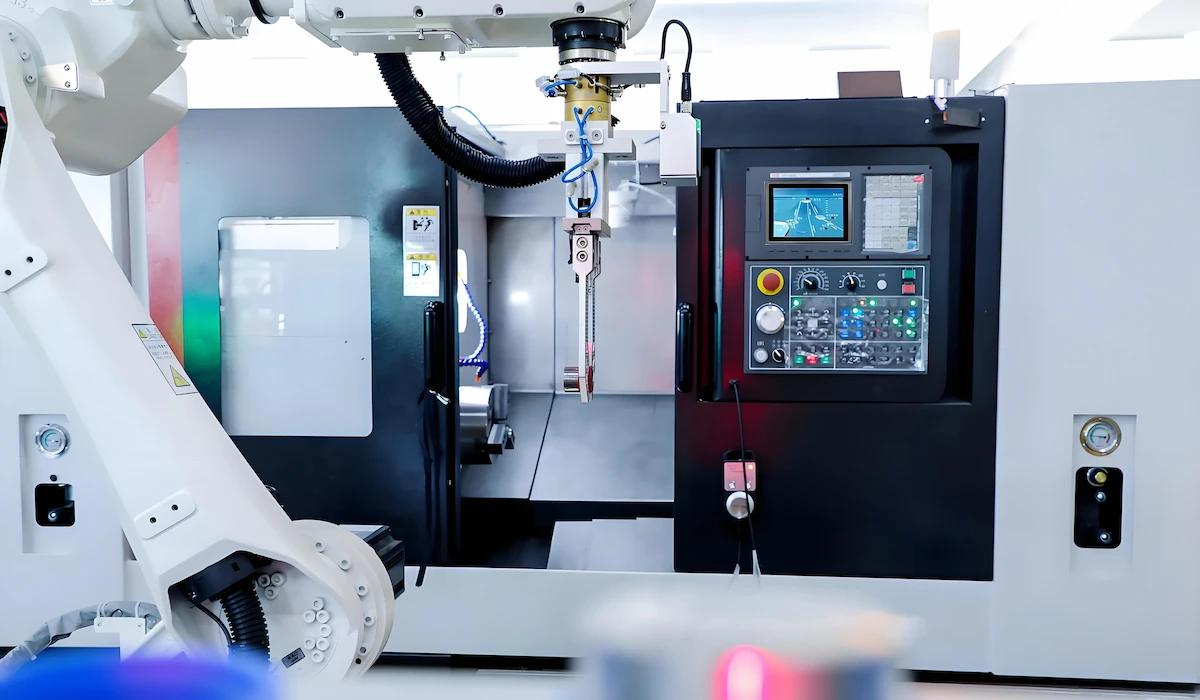
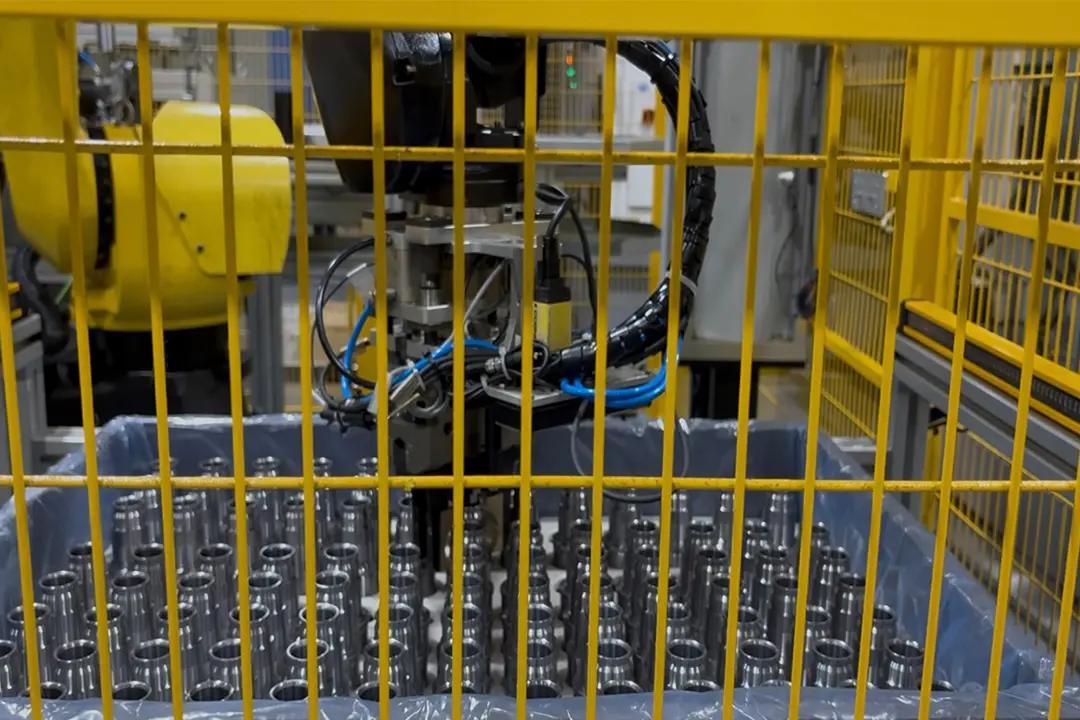
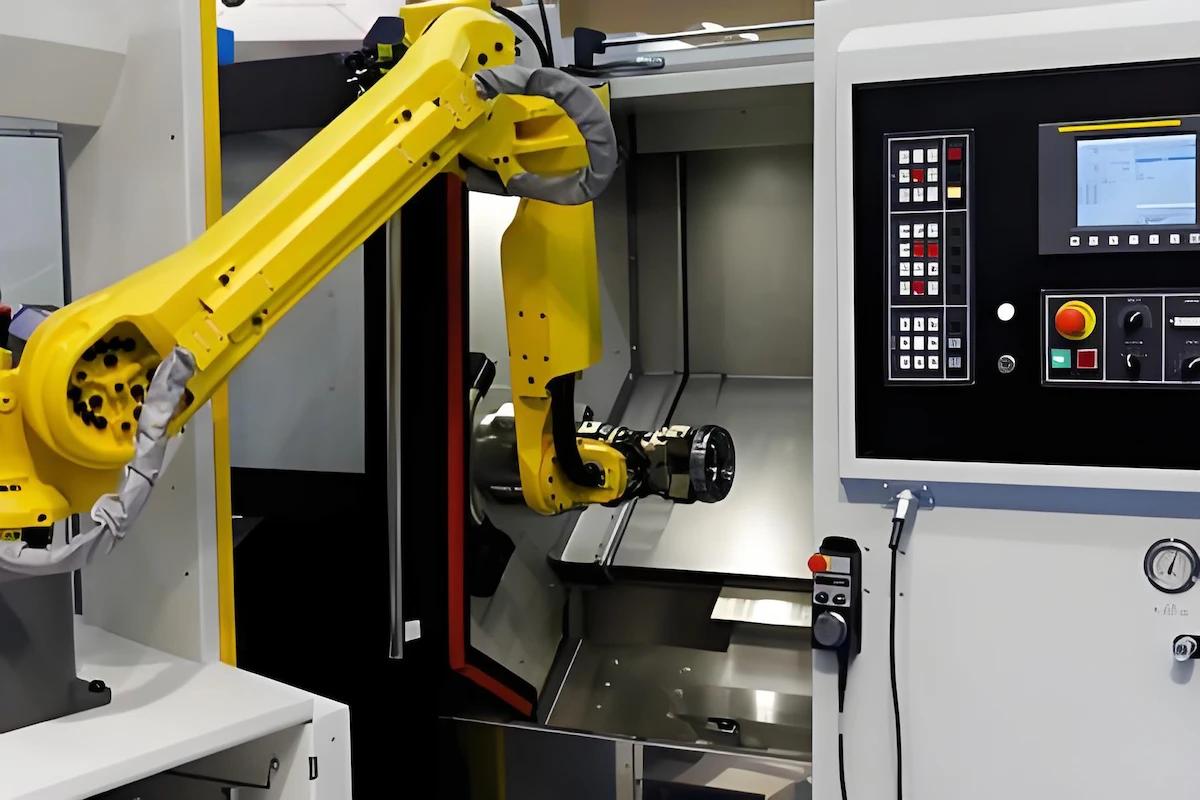
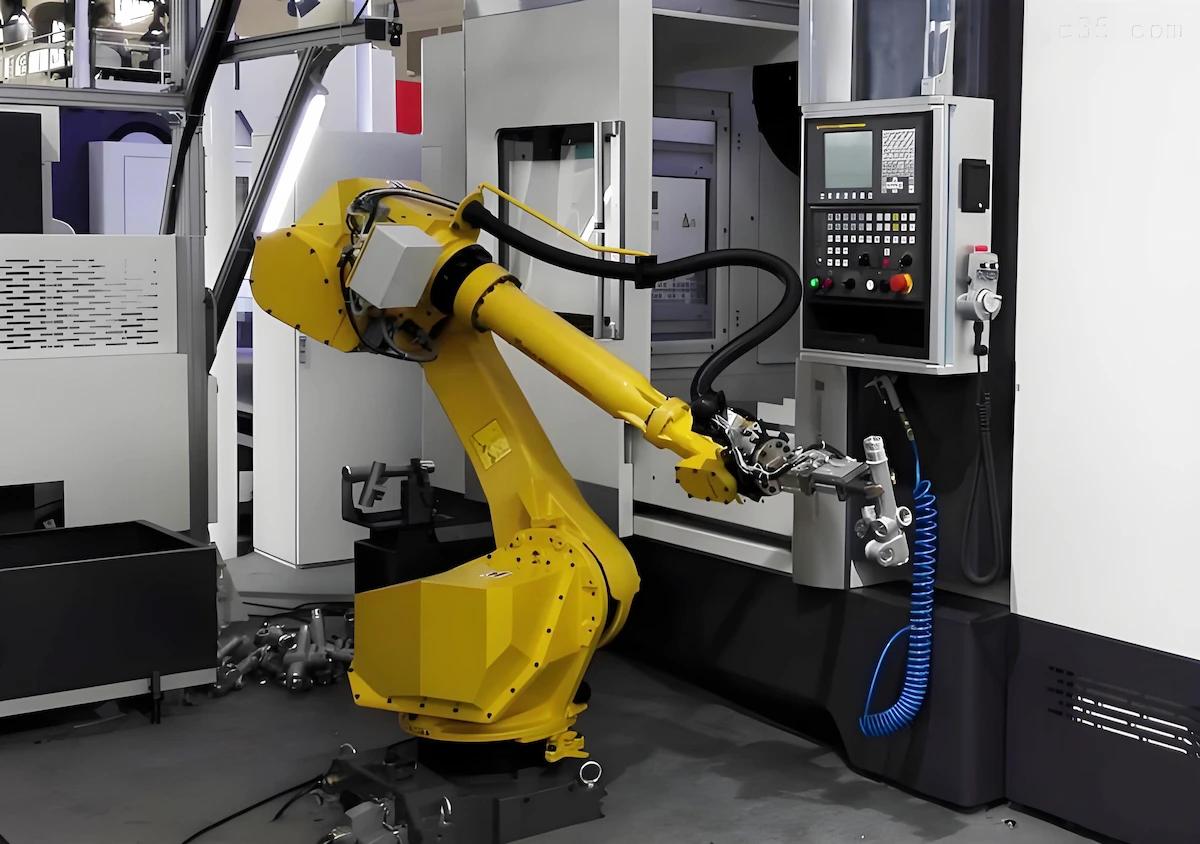
Visual positioning technology, with its core advantages of "high precision, high speed, non-contact operation, and strong stability", has been deeply integrated into multiple fields such as manufacturing, logistics, new energy, and 3C electronics. It primarily addresses scenario-specific needs of "being able to find, place accurately, and see clearly"—namely, issues like target positioning, attitude calibration, and coordinate matching.
Applications
3C Electronics Industry
In the 3C electronics industry, components of 3C products are small in size and require high precision, making visual positioning a core support for automated production.
Positioning for shell/structural part processing: Before CNC milling, grinding, and drilling of mobile phone middle frames and laptop casings, visual positioning is used to identify the workpiece contour or reference holes, compensating for clamping errors to ensure processing accuracy.
Automotive Manufacturing Industry
In the automotive manufacturing industry, there are numerous auto parts and complex assembly processes, and visual positioning significantly improves production efficiency and consistency.
Component Assembly Positioning: During the assembly of engine blocks/cylinder heads, the assembly of transmission components, and the installation of seats/instrument panels, visual positioning is used to calibrate the posture of components, ensuring that assembly tolerances meet requirements.
New Energy Industry
In the new energy industry, extremely high requirements are placed on positioning accuracy and stability, making visual positioning a key factor in improving quality and efficiency.
Lithium Battery Production: Electrode Cutting/Slitting Positioning: Visual positioning identifies the edge of the electrode and the position of the tab, guiding the cutting equipment to process accurately and avoiding burrs and dimensional deviations.
Points forts


Vous avez des questions concernant ce produit ?